
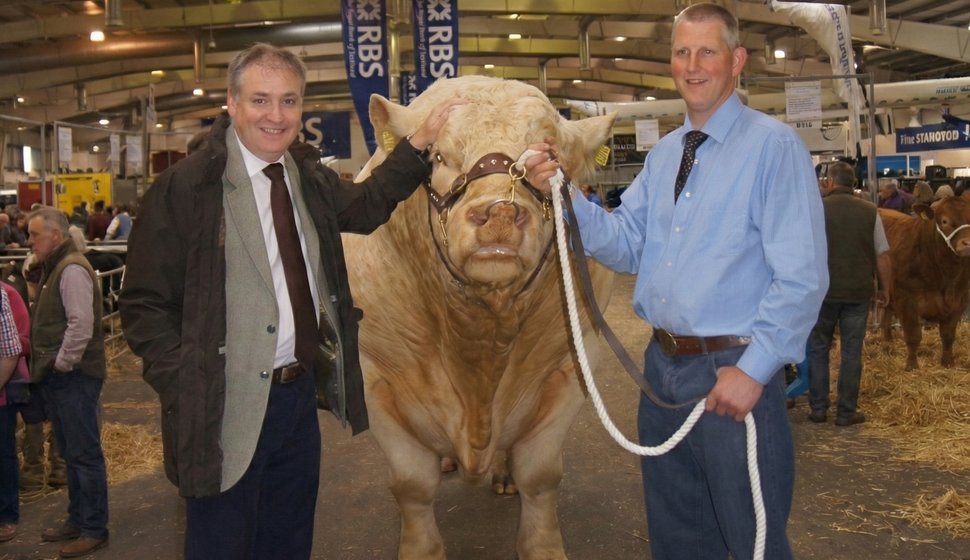
Royal Highland Show dates
The Royal Highland Show is Scotland’s flagship agricultural show, celebrating farming, food and rural life. It is scheduled for the following dates:
- from Thursday, 18th to Sunday, 21st June 2026
- from Thursday, 17th to Sunday, 20th June 2027 (estimated)
- from Thursday, 22nd to Sunday, 25th June 2028 (estimated)
Held annually at the Royal Highland Centre in Ingliston, near Edinburgh, it usually takes place over four days in late June (typically from Thursday to Sunday).
The Royal Highland Show origins
The Royal Highland Show1 is one of Scotland’s most celebrated agricultural events with its origins dating back to 1822.
It was established by the Highland and Agricultural Society of Scotland (HASS)2, an organisation founded in 1784 to promote the advancement of Scottish agriculture for the benefit of farmers, landowners, and rural communities. This organisation is now known as the Royal Highland and Agricultural Society of Scotland (RHASS).
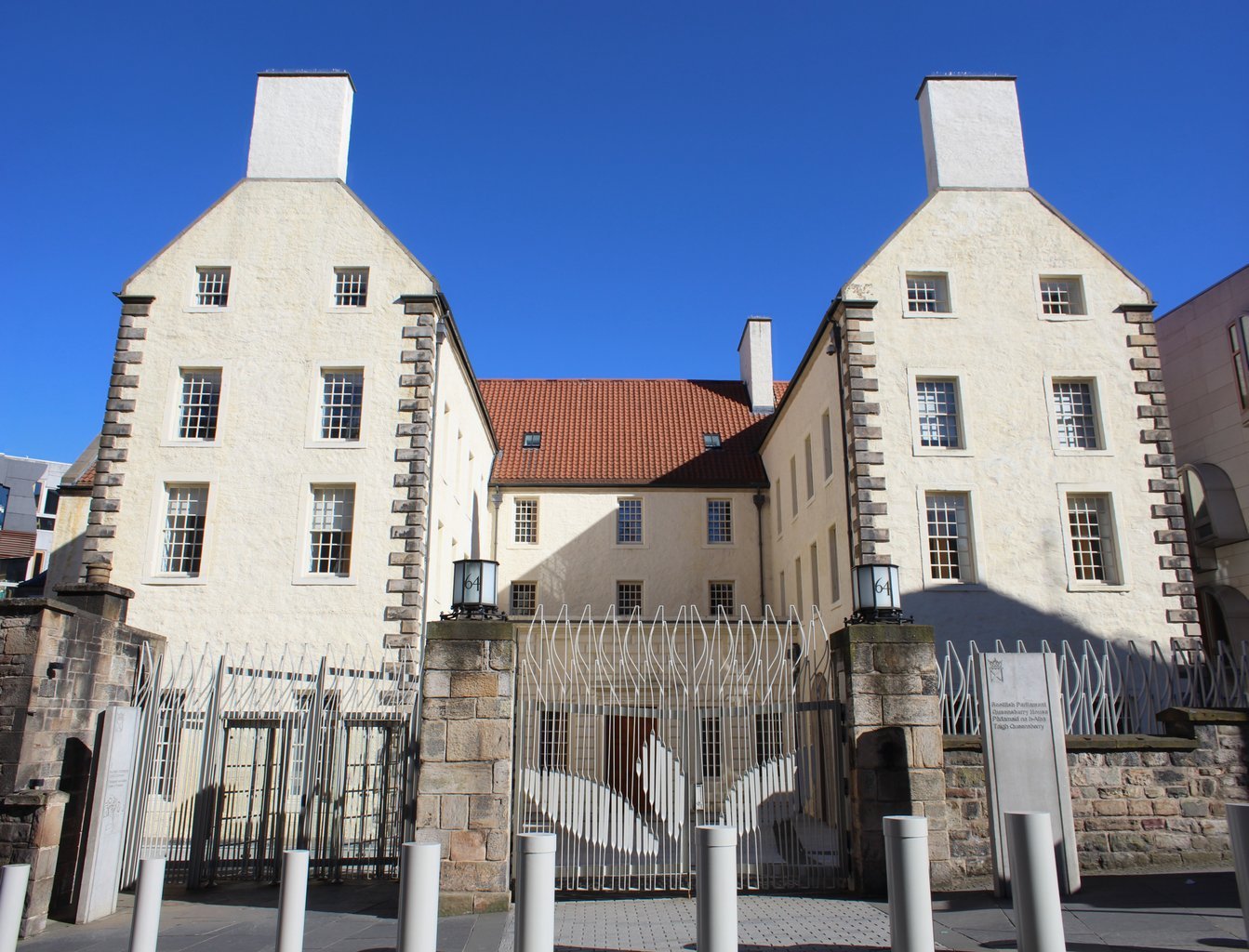
The inaugural four-day show took place on the grounds of Queensbury House3 in Edinburgh’s Canongate, where the Scottish parliament building now stands, and was intended as a platform to promote and advance Scottish agriculture by allowing farmers to exhibit superior breeds of cattle, sheep, and horses, promote best practices, and showcase the latest agricultural machinery and techniques.
In its early decades, the show travelled around Scotland, rotating annually between Scotland’s towns and cities across the eight electoral areas of the Royal Highland and Agricultural Society of Scotland4 (RHASS) - Perth, Stirling, Strathclyde, Aberdeen, Lothian, Borders, Dumfries & Galloway, and Highland. This itinerant format allowed the event to reach farming communities across the country, spreading new knowledge and encouraging innovation. By the mid-19th century, the Royal Highland Show had become a central event in Scotland’s agricultural calendar, drawing increasing numbers of exhibitors and spectators alike.
The show always had strong royal links. In 1859, the Prince of Wales, the future Edward VII, visited the show. The society and show then both acquired ‘Royal’ status in 1948, granted by George VI. This was in recognition of its significance to national agriculture. His daughter, the late Queen Elizabeth II, became patron of the show in 19845. Her daughter, Anne, Princess Royal attended in 2008 and 20156.
As farming modernised, the show expanded beyond livestock competitions. Machinery displays, dairy and produce judging, horticultural exhibitions, and educational demonstrations became integral components, helping farmers adapt to changing technologies and practices. Its role grew not only as a showcase for excellence but also as a vital meeting point for the agricultural industry.
After nearly 140 years of moving locations, the growing size and scale of the Show meant that building new sites every year was increasingly difficult and costly. Stand holders were complaining of rising costs, and the argument for the benefits of hosting the Show at a permanent site grew stronger.
As a result, the event found a permanent home at the Royal Highland Centre in Ingliston7, near Edinburgh, in 1960. This shift allowed the organisers to develop larger and more specialised facilities, accommodating increasing visitor numbers and a broader range of activities.
Throughout the late 20th century, the show evolved into a vibrant celebration of rural life, with food halls, craft displays, equestrian events, and cultural performances joining traditional agricultural competitions.
The Royal Highland Show events
Today, the Royal Highland Show stands as one of the United Kingdom’s premier agricultural shows. It is a four-day event that takes place annually in the month of June, attracting well over 200,000 visitors each time.
It remains deeply rooted in its original mission: supporting Scottish agriculture and rural industries while educating the public about the importance of farming. Sustainability, innovation, and artisan food production have become modern focal points, reflecting contemporary priorities while honouring long-established traditions.
The show isn’t really a ‘tourist’ event, rather it tends to attract visitors from Scotland, the North of England, and Northern Ireland with an interest in farming, food, and rural life8. It hosts an array of different events and activities, the most well-known being9:
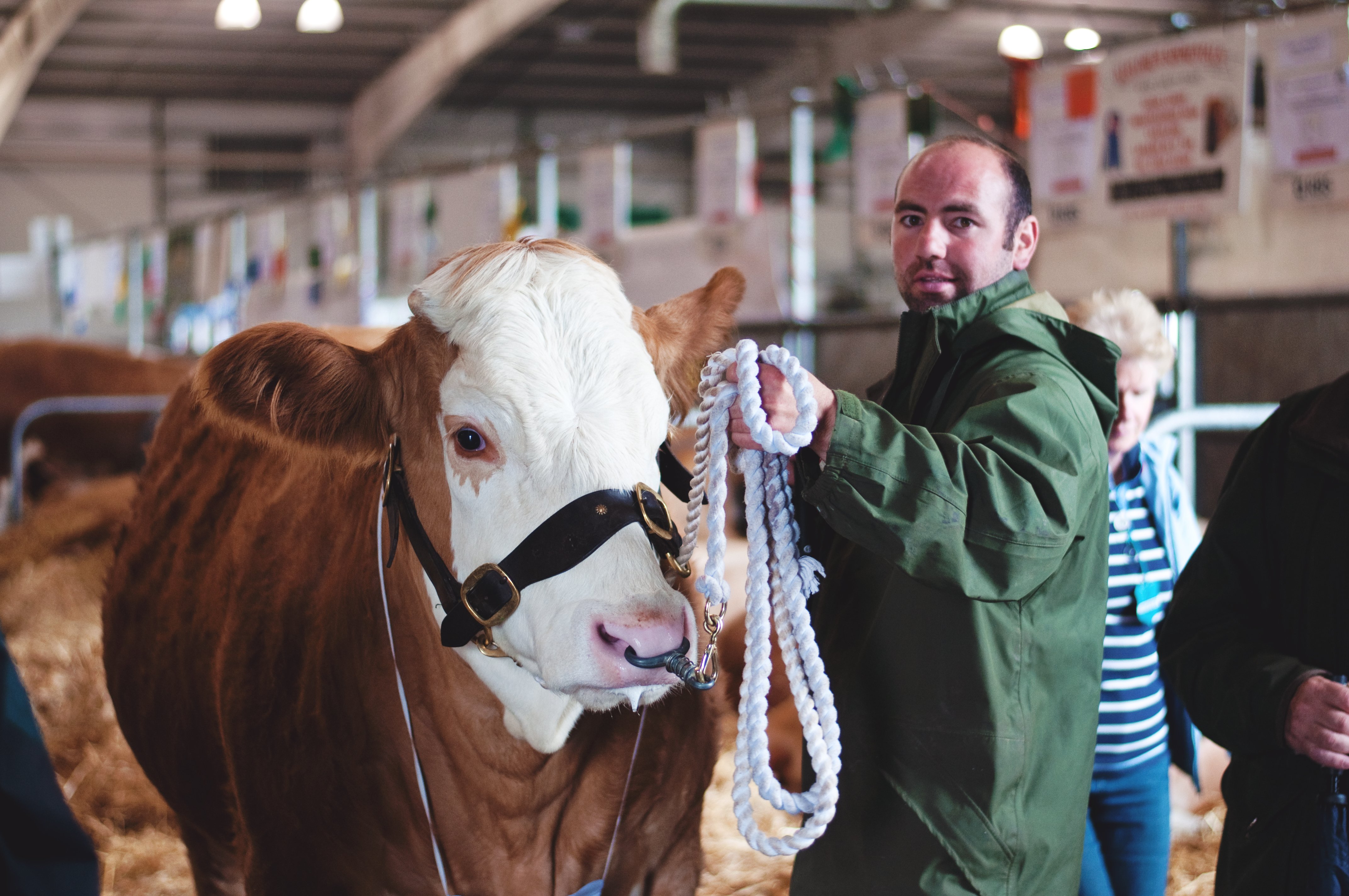
- The Grand Parade: Here, visitors come together in the large Grandstand and have the opportunity to marvel at prize-winning cattle being paraded in the main ring. It is a rare and wonderful opportunity to see some iconic breeds, including the Highland Cattle and Belted Galloway.
- Scotland’s Larder: A wonderful place for foodies to meet local producers and taste local delicacies, including cheeses, meats, local delicacies, sweets, etc. There are also plenty of food-to-go stands scattered across the showground, from burgers and traditional Scottish fare to snacks and treats. Visitors can also enjoy live cooking demonstrations.
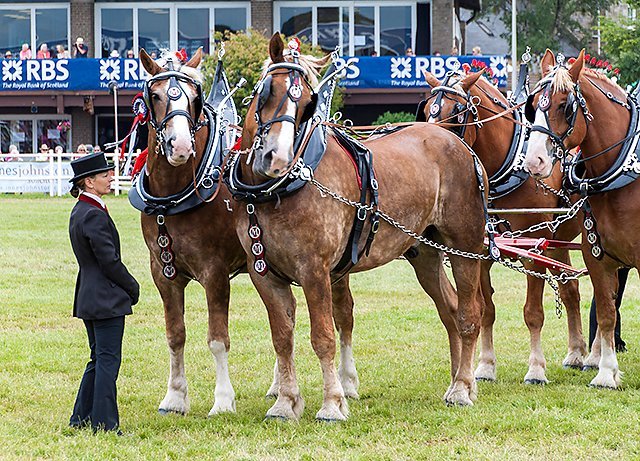
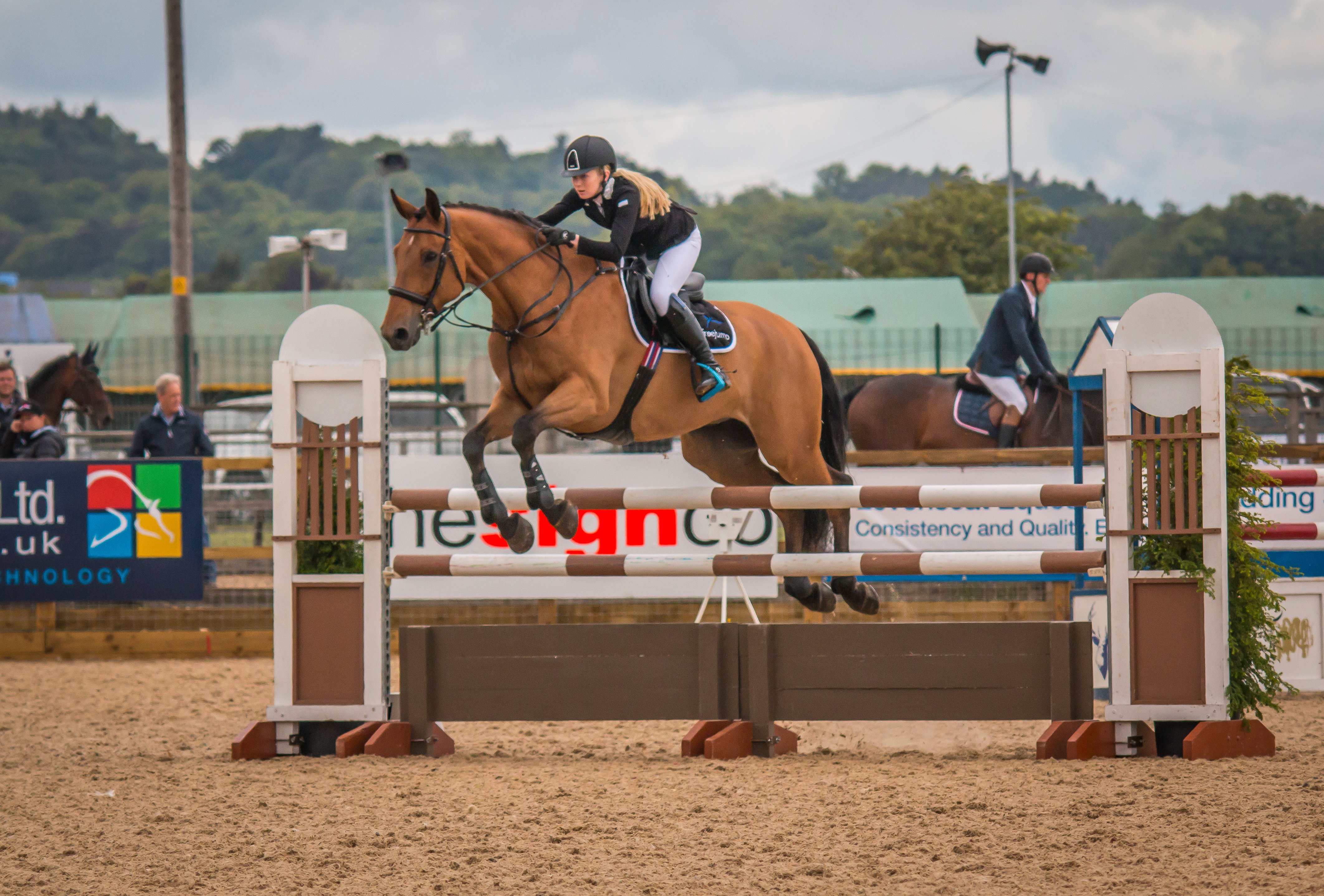
- Equine competitions10: With showjumping, Pony Club games, Private Driving, side saddle displays, and turnout classes, the equine events attract a lot of visitors11. Here, you can see a wide selection of horse breeds, from the towering Clysedale to Shetland ponies.
- Agricultural Machinery displays: With technical advancement being pivotal to the future of Scotland’s agriculture and rural industry, the Royal Highland Show showcases the very latest in farming technical innovations – from new fertiliser spreaders to the most modern machines, equipment and appliances which advance the effective and efficient practice of agriculture, horticulture, equestrian, forestry, renewable energy and estate service.
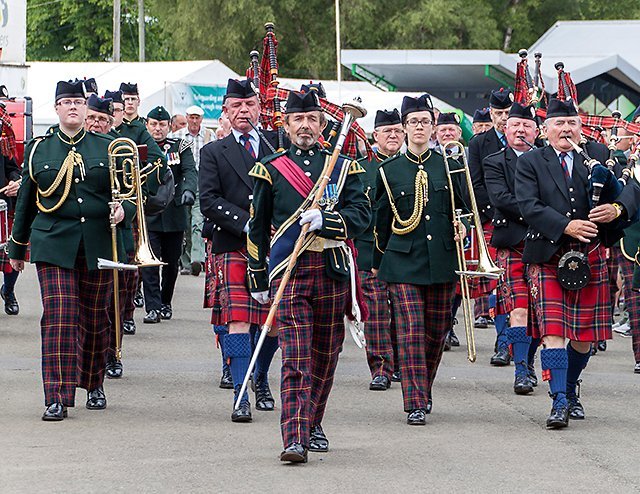
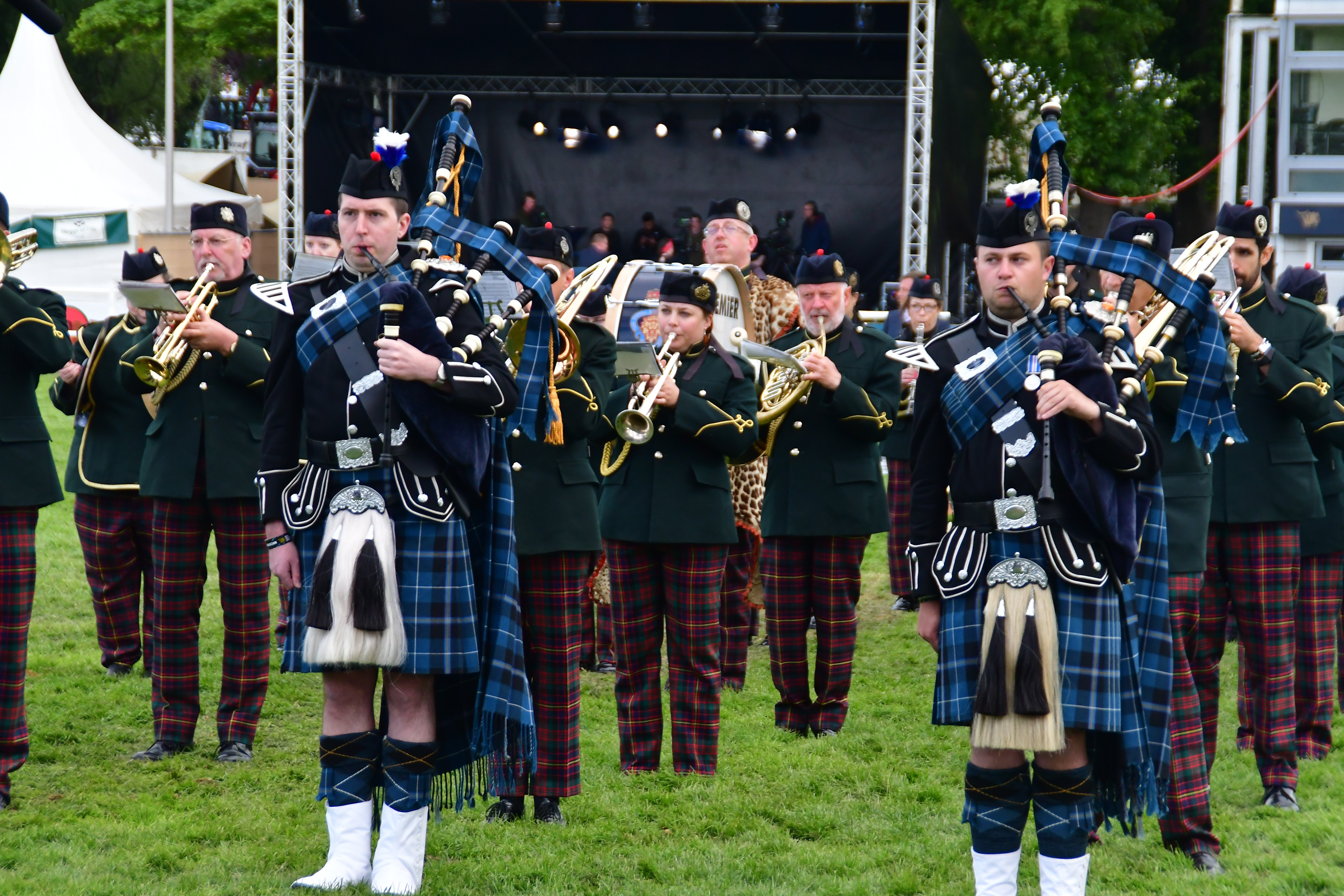
- The Royal Highland Hoolie – Traditional Scottish music, including pipe bands and folk groups, feature heavily throughout the show. On the Friday and Saturday evenings, visitors can attend the Royal Highland Hoolie and enjoy live folk, country and contemporary Celtic-inspired bands and artists from Scotland, Ireland, and sometimes beyond.
- Forestry Arena12 - The Forestry Arena features a range of exciting activities, including chainsaw carving, axe throwing and motorcycle stunt displays. One of the most popular events is the pole climbing competition, which sees two people racing to the top of 30-metre-high tree trunks using specially-designed equipment.
- Sheep Shearing13 - Scotland has a long and renowned heritage of sheep farming and wool handling, so it is quite fitting that the Show hosts this event which showcases the skill and speed of sheep shearers. It is one of the toughest competitions to win.
- The Countryside Area14 - This area features demonstrations and events displaying a wide range of country sports and activities and rural skills, including falconry, gundog training, sheepdog training, and fly fishing.
- The Forge – Here, competitors go head-to-head in the Scottish Open Farriery Championship15 Horse-shoeing & Shoe-making competitions. It’s one of the traditional rural-craft competitions that links horse care, craftsmanship, and heritage — giving farriers a platform to display their skill under competitive conditions.
As with many events, the Royal Highland Show suffered during the Covid pandemic16. While an event did go ahead in 2020 and 2021, it only had online spectators. The 2022 event did go ahead but with a lower number of visitors, despite it being its 200th anniversary.
References
Royal Highland Show Official site for Scotland’s national agricultural show.
Historical archive of RHASS: RHASS archive
Queensberry House – Scottish Parliament Background on Queensberry House within the Parliament complex.
Brief history blog: The history of the Royal Highland Show key dates.
The show must go on Article on the show’s resilience and continuity.
History of the Royal Highland Show Overview article on origins and development.
Royal Highland Centre Venue and events complex beside Edinburgh airport.
The show must go on Feature on show history and pandemic closure years.
Royal Highland Show – What’s on Current programme of competitions, displays and activities.
Equine classes and rules: 2022 equine schedule
Updated equine schedule: 2025 equine schedule classes and regulations.
Forestry and rural industries at the show: Back to the Royal Highland Show
Summer customs in rural Scotland National Museums Scotland piece including agricultural shows.
Countryside area programme Activities and demonstrations in the show’s countryside zone.
Farriery competitions and guidelines: Farriery schedule 2022
The show must go on Reflective article marking 200 years of the show.
Read Also
-
Exploring the legacy of Scotland’s Royal Highland Show The Scottish Farmer feature on the show’s impact, heritage and future.
-
The Royal Highland Show Clan tartan blog introducing the event as a celebration of rural Scottish life.
-
RHASS Archive Online archive of the Royal Highland and Agricultural Society of Scotland, including historic Transactions and show material.