
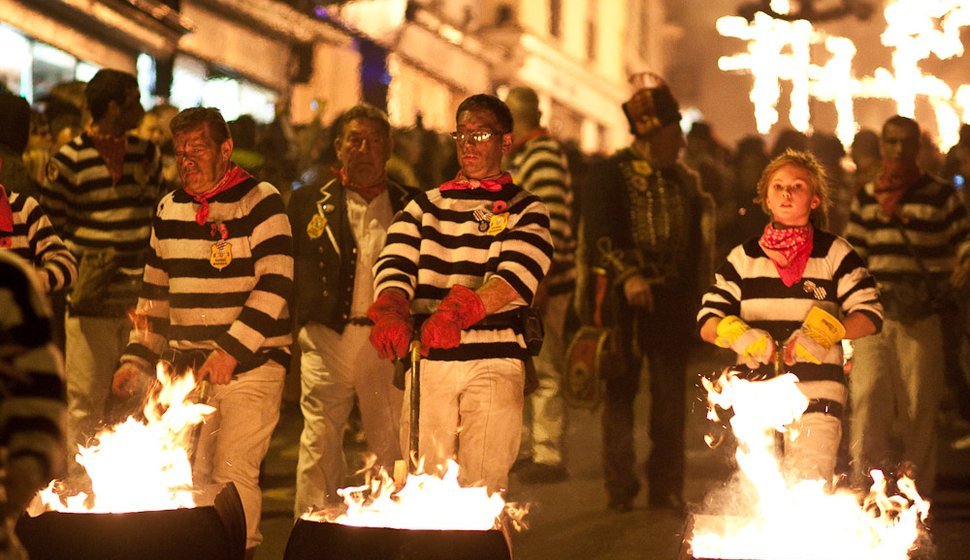
Guy Fawkes Night dates
Guy Fawkes Night, also known as ‘Bonfire Night’, is scheduled for the following dates:
- Thursday, 5th November 2026
- Friday, 5th November 2027
- Sunday, 5th November 2028
In the United Kingdom, it always falls on 5 November, commemorating the failed Gunpowder Plot of 1605. Public celebrations and firework displays, however, are sometimes held on the nearest weekend to 5 November.
Guy Fawkes Night origins
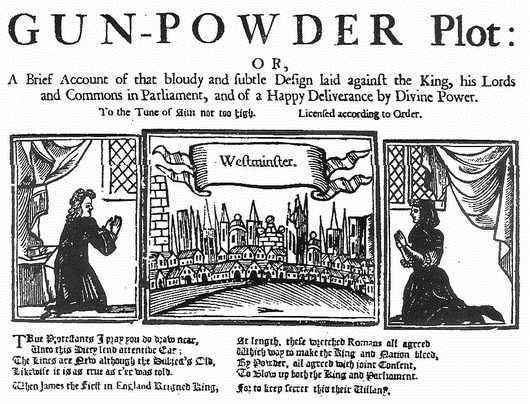
The origins of Guy Fawkes Night, also known as Bonfire Night or Fireworks Night, are rooted in one of the most notorious conspiracies in English history: the famous Gunpowder Plot of 16051, when Guy Fawkes and fellow Catholic conspirators2 attempted to blow up Parliament and assassinate James I and VI of England3.
The period prior to this was witness to deep religious tensions in England. After years of conflict between Protestants and Catholics4, the accession of James I (in 1603) created a brief sense of hope among English Catholics that they might see an end to the religious persecution5 they had been subjected to for so long. However, when those hopes were dashed, and James continued enforcing strict anti-Catholic laws, a small group of disillusioned Catholic conspirators decided to take drastic action.
Contrary to popular belief, the gunpowder plot was actually orchestrated by Robert Catesby6. He wanted to assassinate King James I and the members of Parliament by blowing up the Houses of Parliament during the State Opening7 planned for 5 November 1605. This was intended not only to eliminate the Protestant leadership but also to ignite a wider uprising that would restore a Catholic monarch to the English throne.
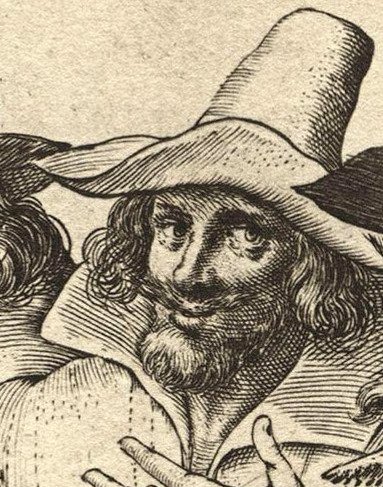
Guy (Guido) Fawkes89, a soldier with experience handling explosives from his time fighting in the Netherlands, was recruited to manage and set the fuse for the 36 barrels of gunpowder hidden in a cellar beneath the House of Lords10. Using modern methods, experts from the Centre for Explosion Studies, at the University of Wales, Aberystwyth, estimated that severe structural damage would have been sustained by buildings up to half a kilometre away. The explosion would have destroyed Westminster Abbey and undermined buildings as far away as Whitehall, the site of Downing Street today11.
The conspiracy, however, began to unravel when an anonymous letter12 warning a Catholic nobleman to stay away from Parliament aroused suspicion. Authorities carried out a search of the buildings, and in the early hours of 5 November, Guy Fawkes13 was discovered guarding the explosive stockpile. His arrest led to the capture or death of the other conspirators, and the plot was quashed before it could be carried out. Fawkes and several others were later executed for treason14.
In the immediate aftermath, the government encouraged public celebrations to give thanks for the king’s survival. On 5 November 1605, people across London lit bonfires to mark the foiling of the plot. Soon after, Parliament passed the Observance of 5th November Act (1606)15, also known as the ‘Thanksgiving Act,’ which made the day an annual national commemoration.
Guy Fawkes Night celebrations
Today, Guy Fawkes Night remains a uniquely British celebration. Though its religious and political origins have largely faded from public consciousness, the event persists as a blend of historical memory, folklore, and communal festivity, marked by bonfires, fireworks, and the enduring reminder of a plot that almost changed the course of British history. Up until 1959, it was actually illegal to *not *celebrate Bonfire Night in Britain!16
Celebrated across the United Kingdom every year on 5th November, modern festivities centre around bonfires, firework displays, and community gatherings.
Bonfires & Fireworks
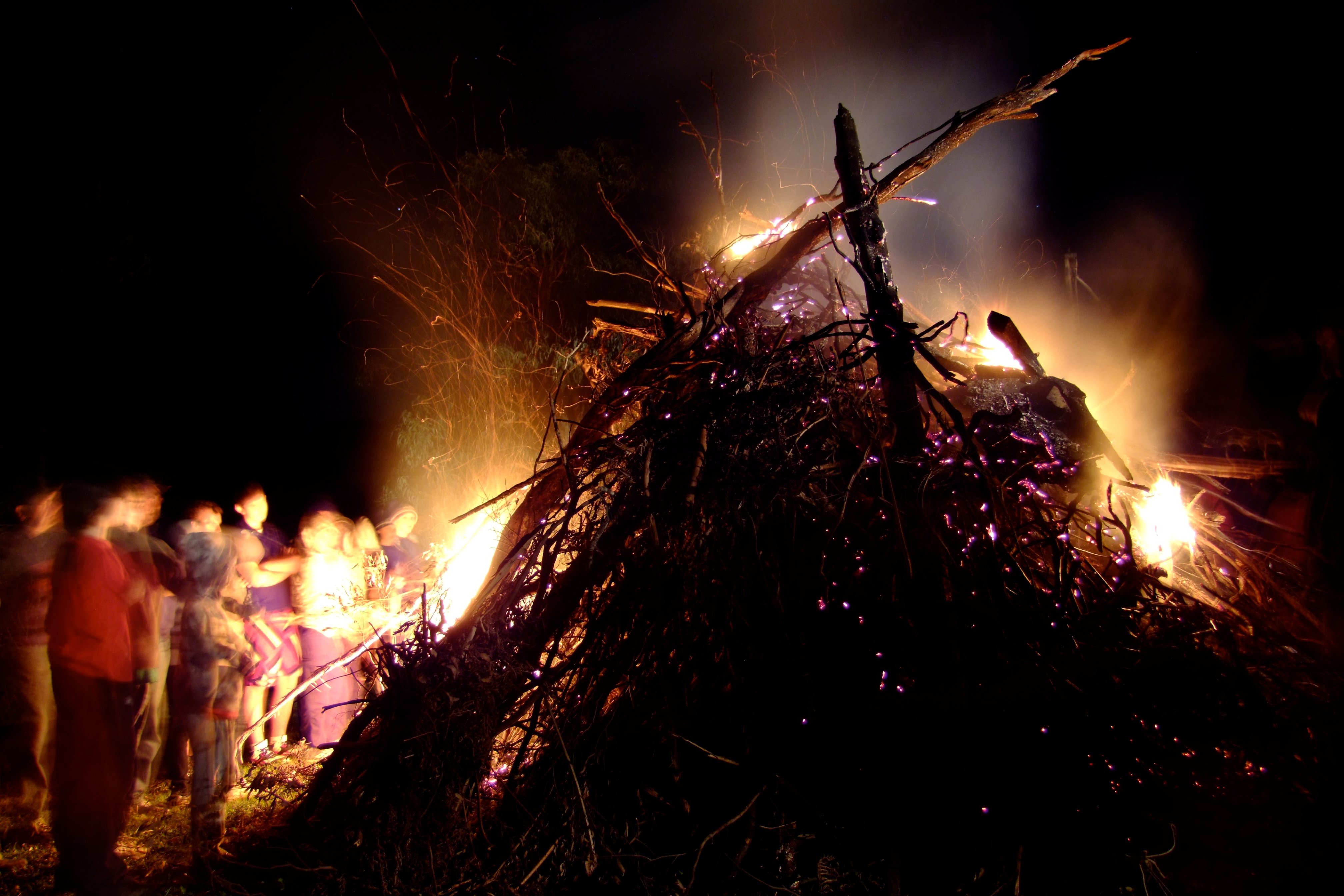
Firework displays are often the centrepiece of 5th November celebrations. Alongside the fireworks, communities often build large bonfires.
In the 1950s and 1960s17, Bonfire Night was a real hands-on celebration. Family bonfire parties and get-togethers with neighbours were commonplace. It wasn’t uncommon for bonfires to spring up on the streets, particularly on bombsites, and people also used fireworks to cause a nuisance in back alleys and city streets18.
Families would start to collect wood for their bonfire at the end of summer. Trees and bushes in the garden would be trimmed and the branches piled up ready for the big day. Any old planks of wood, doors or other combustibles would also be added to the heap. It wasn’t uncommon for bonfires to spring up on the streets, particularly on bombsites, and people were used fireworks to cause a nuisance in back alleys and city streets.

Fireworks would appear in the shops a couple of weeks before the event. There were selection boxes of fireworks (the most popular brand were Standard Fireworks19) or you could buy rockets and larger fireworks one by one. Catherine Wheels and Roman Candles were particularly popular, as were sparklers and bangers. Bangers20 were small tubes of gunpowder that after lighting, were thrown on the ground to explode with a loud bang, not unlike a miniature stick of dynamite! These were banned from sale in the UK in the 1990s due to health and safety reasons.
Fireworks and bonfires continue to this day, although nowadays people are more likely to attend organised public displays which usually take place in most towns and villages in large open spaces. According to Mintel, in 2017 alone, £155m was spent on fireworks for the celebrations21.
Guy Fawkes Effigy
Typically, a ‘Guy Fawkes’ effigy (or ‘Guy’)22 made of straw and dressed in old clothes is tossed on to the bonfire prior to lighting, although in more recent years effigies of more contemporary political figures are also used.
Penny for the Guy
Traditionally, a couple of weeks prior to being thrown on the bonfire, children would carry these effigies, called ‘Guys23,’ through the streets and ask passersby for ‘a penny for the guy,’ often reciting rhymes associated with the occasion, the best known of which dates from the 18th century:
“Remember, remember, the fifth of November
Should ever be forgot….24
Gunpowder treason and plot
We see no reason
Why Gunpowder treason
The money raised by the children would then be spent on bangers and other fireworks. However, following new laws in 2004, it is now an offence to supply fireworks to anyone under the age of 1825. As a result, this practice is less common nowadays, although not unheard of for children looking to make a bit of money to buy sweets and other goodies.
Food
There are many foods associated with Guy Fawkes night celebrations. Here are a few of the most popular26.
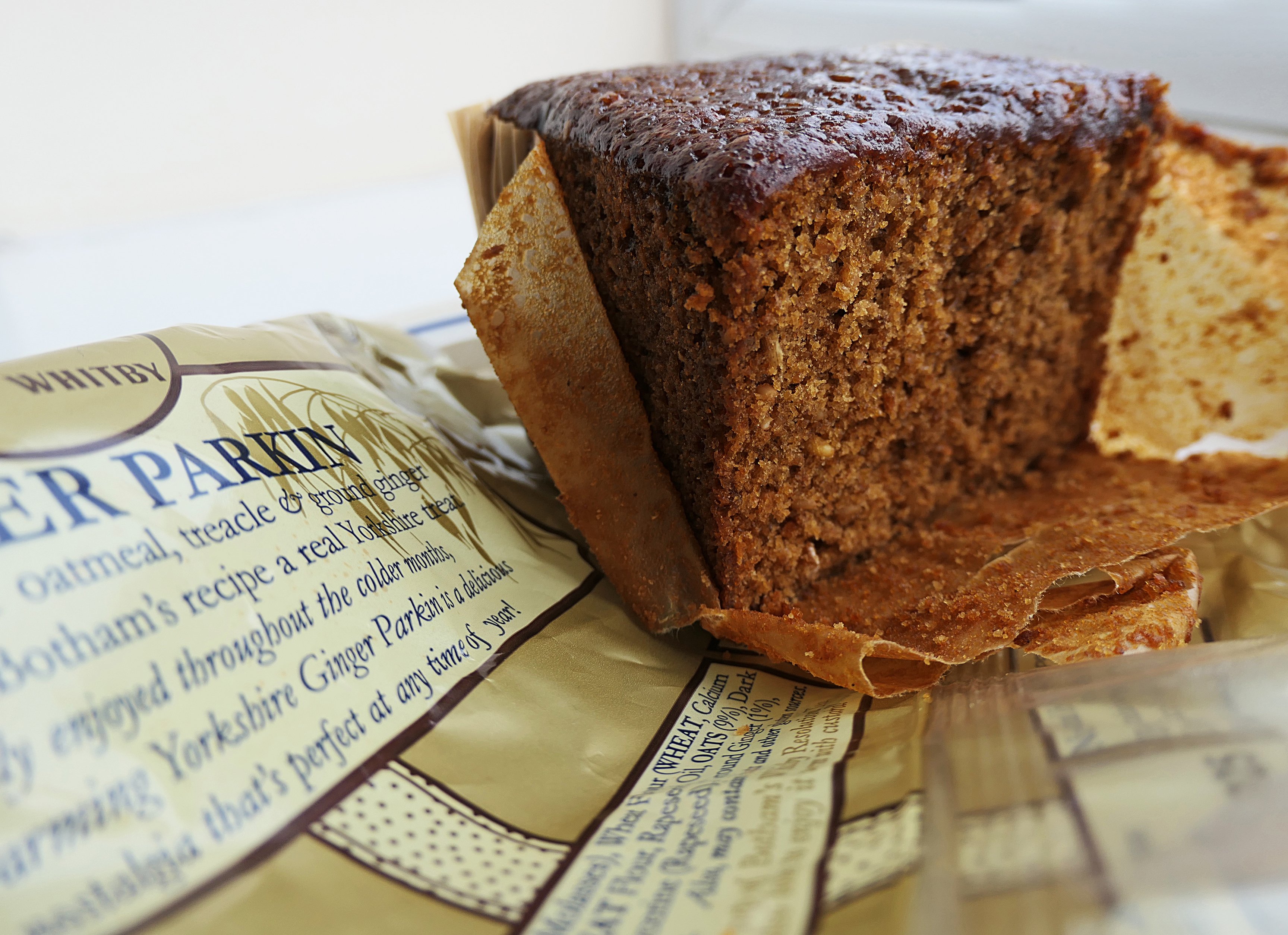
- Yorkshire Parkin – a strongly-spiced sticky gingerbread-cum-cake flavoured with treacle and dark brown sugar27. As the name suggests, it is synonymous with the county of Yorkshire.
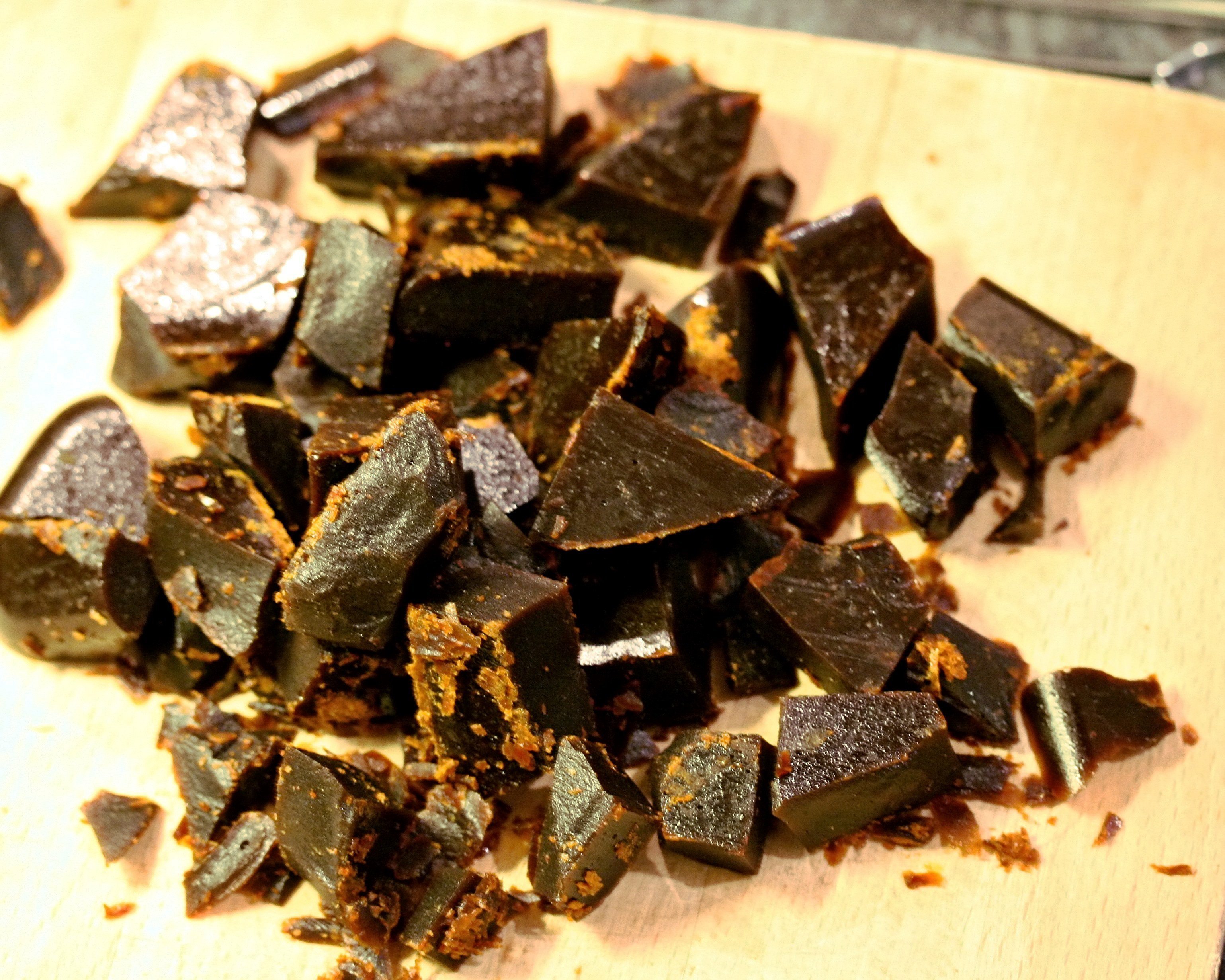
- Treacle (Bonfire) Toffee – A hard brittle toffee made from black treacle, butter, and sugar28.
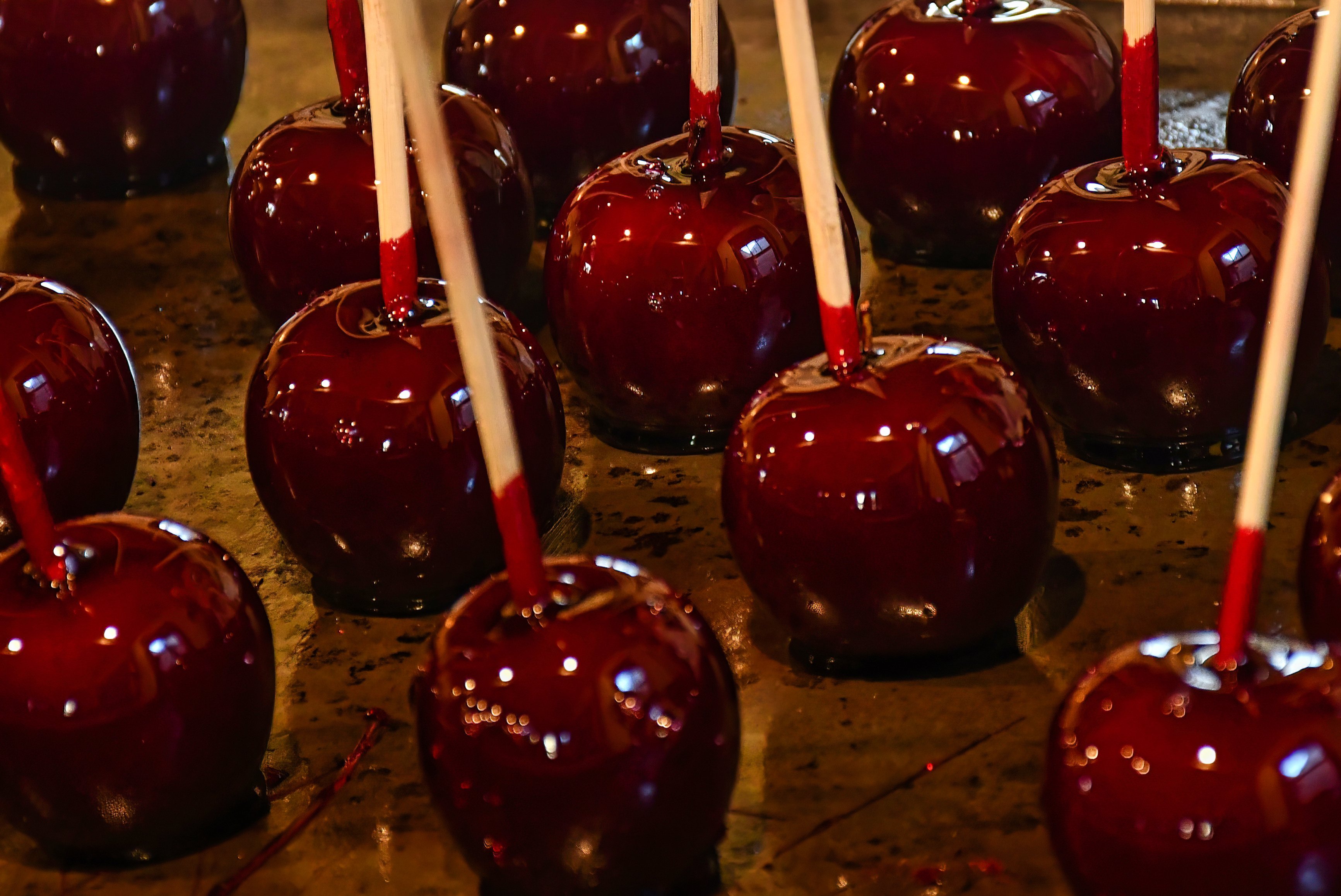
- Toffee Apples – Caramel coated apples.29 The most common sugar coating is made from white or brown sugar, corn syrup, water, cinnamon and red food colouring.
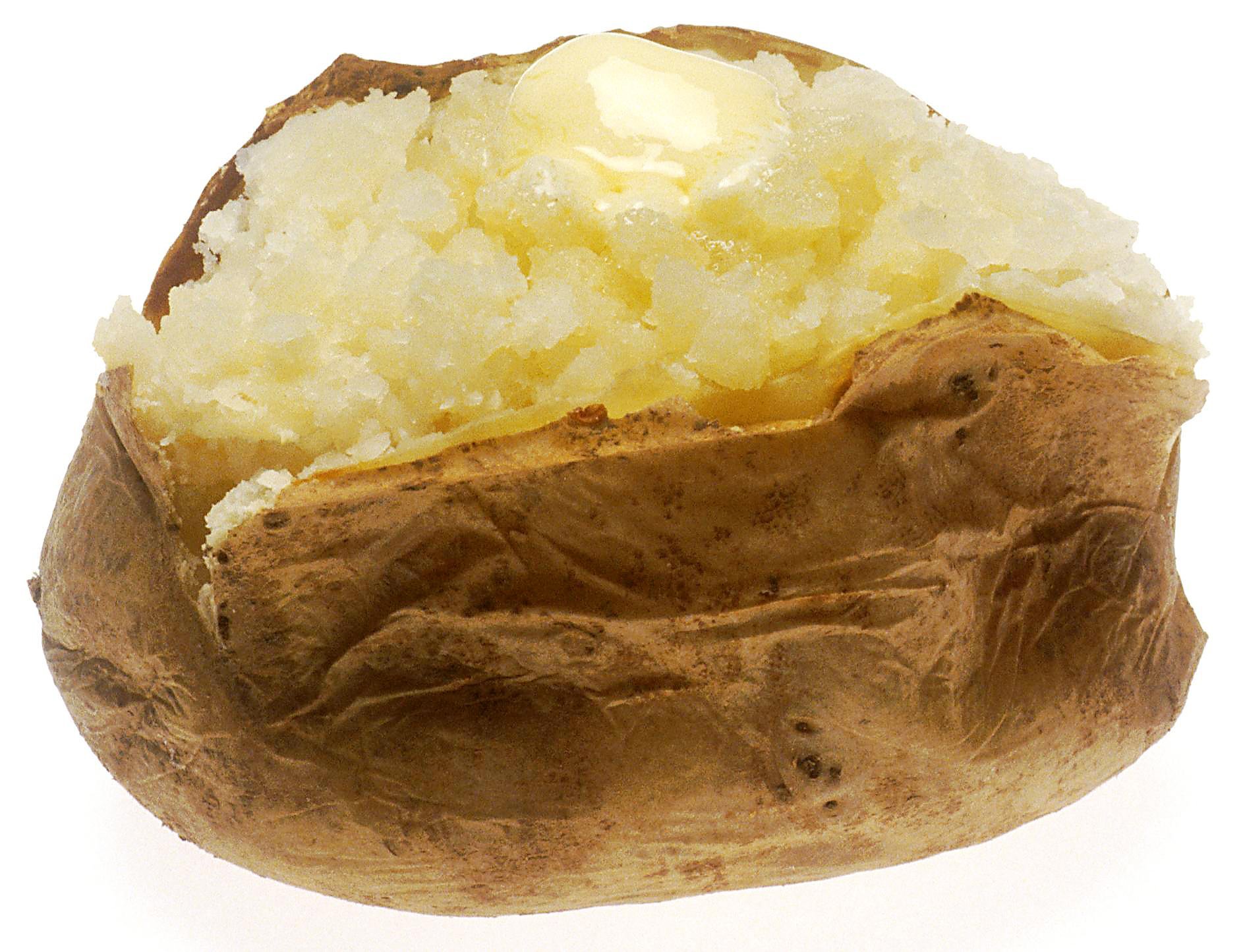
- Jacket Potatoes30 – potatoes wrapped in aluminium foil and gingerly placed in the white-hot embers of the bonfire to cook for an hour or so, before being fished out and eaten with lots of melted butter.
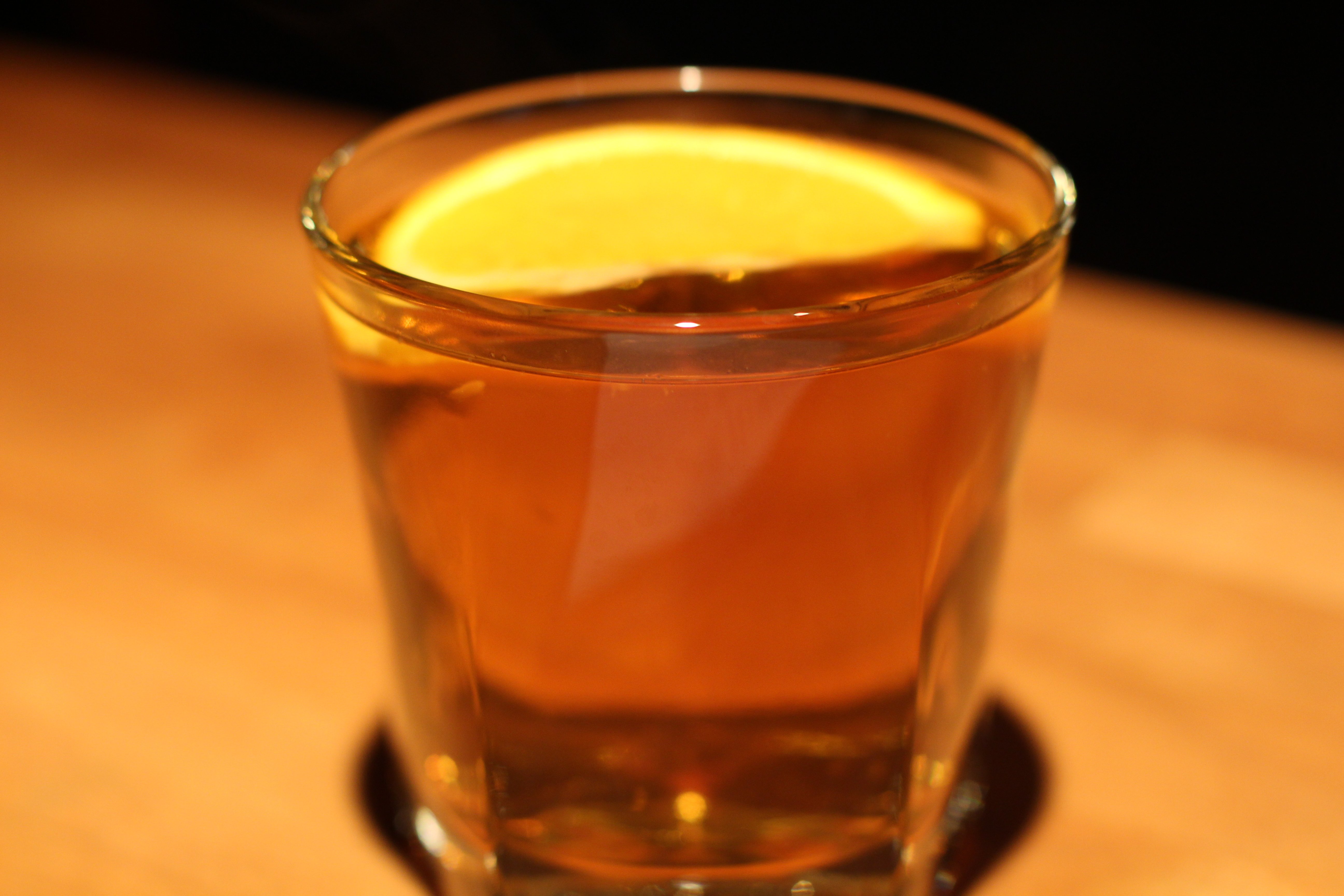
- Mulled cider or wine31 – designed to keep the adults warm and cheerful on a chilly November evening. Spiced with cinnamon and orange.
References
Gunpowder Plot overview Introductory summary of the 1605 plot against Parliament.
Profiles of the conspirators in The Gunpowder Plot
James I – king of England and Scotland Encyclopaedia biography giving context on the monarch targeted.
The real story of Bonfire Night English Heritage article linking the festival to the 1605 plot.
Background on English Catholics under James I: English Catholics 1603–1606
Biographical sketch of plot leader Robert Catesby: Robert Catesby and Catherine Leigh
Modern State Opening rituals State Opening of Parliament echo gunpowder-era monarchy.
Guy Fawkes biography Short narrative of Fawkes’s life and involvement in the plot.
Guy Fawkes and the Gunpowder Plot Historic Royal Palaces account centred on the Tower of London.
House of Lords – UK Parliament Official information about the chamber targeted in the plot.
Scientific modelling of the planned explosion: Gunpowder plot would have devastated London
The Monteagle Letter National Archives feature on the warning that foiled the plot.
Guy Fawkes and the Gunpowder Plot Section detailing Fawkes’s interrogation and imprisonment in the Tower.
Aftermath and punishment Torture, trial and execution of the conspirators.
Observance of 5th November Act 1605 Text and explanation of the statute establishing the anniversary observance.
Five traditional customs of Bonfire Night in Britain: Five traditions of Bonfire Night
Memories of Bonfire Night in postwar Britain: Bonfire Night in the 1950s and 1960s
The real story of Bonfire Night Discussion of how commemorations evolved from anti-Catholicism to family celebration.
Standard Fireworks of Yorkshire Short history of a major British fireworks manufacturer.
Bangers and airbombs Fireworks enthusiast guide to once-common but now restricted fireworks.
The real story of Bonfire Night Explores religious, political and cultural meanings behind the night.
French cultural explanation Explications – Guy Fawkes Night for language learners.
Explications – Guy Fawkes Night French teaching resource summarising history and customs of the night.
Guy Fawkes rhymes Collection of traditional Bonfire Night rhymes and chants.
Bonfire Night in the 1950s and 1960s Recollections of homemade fireworks, bonfires and neighbourhood celebrations.
Traditional Bonfire Night sweets from Yorkshire: Yorkshire parkin and treacle toffee
Bonfire Night – British Food History Series of posts on regional Bonfire Night dishes.
Bonfire toffee – plot toffee Recipe and background for traditional hard treacle toffee.
Toffee apple recipe Simple recipe for classic Bonfire Night toffee apples.
Bonfire-baked potatoes in the embers: Bonfire Night potatoes
Yorkshire parkin and treacle toffee Article on traditional Yorkshire Bonfire Night cakes and sweets.
Read Also
-
Guy Fawkes and the Gunpowder Plot Tower of London article on Fawkes, the plot and his imprisonment.
-
From the Gunpowder Plot to Bonfire Night French educational resource linking the 1605 plot and modern Bonfire Night.
-
The Real Story of Bonfire Night English Heritage overview of why 5 November is commemorated.
-
Gunpowder Plot: what is the history behind Bonfire Night? Royal Museums Greenwich piece on the plot and the festival’s origins.
-
Guy Fawkes & the Gunpowder Plot Museum of London story exploring Fawkes’s symbolism and legacy.
-
Robert Catesby UK Parliament biography of the plot’s charismatic mastermind.
-
Guy Fawkes Heritage History short life of Fawkes and his role in the conspiracy.
-
Robert Catesby and Catherine Leigh Englandcast blog/podcast episode on Catesby’s life, family and faith.
-
Torture, trial and execution UK Parliament account of the conspirators’ punishment and its political message.