
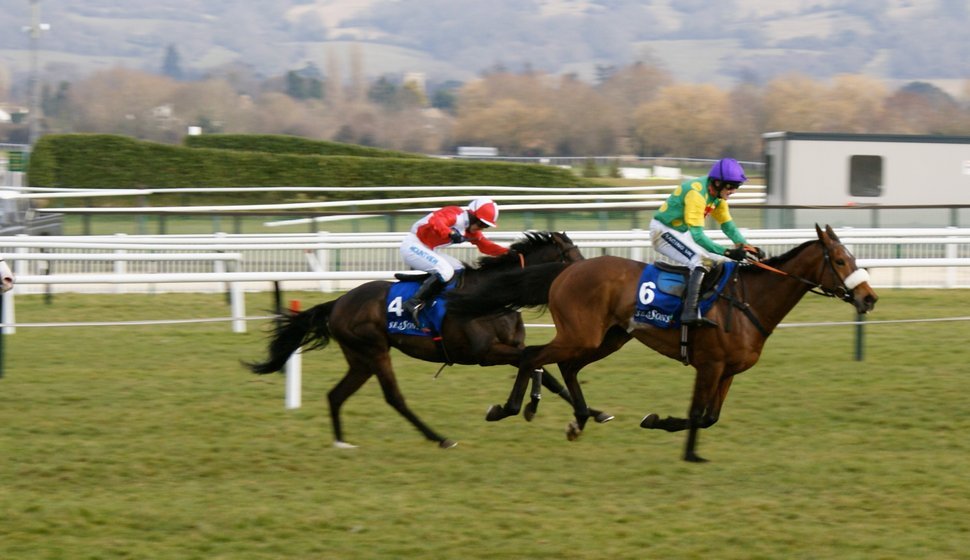
Cheltenham Festival Dates
The Cheltenham Festival takes place every March during the following dates:
- from Tuesday, 10th to Friday, 13th March 2026
- from Tuesday, 16th to Friday, 19th March 2027
- from Tuesday, 14th to Friday, 17th March 2028 (estimated)
The Cheltenham Festival is a four-day festival full of horse races, competitions, and celebrations.
Origins
The origins of the Cheltenham Festival can be traced back to the early nineteenth century when the town of Cheltenham1, in the county of Gloucestershire, was emerging as one of England’s most fashionable spa resorts.
Its discovery as a spa town took place in the early eighteenth century2, when local people noticed pigeons pecking at salt deposits by a spring south of the town. People began to drink the water believing it would heal all kinds of illnesses. Before long, several new spas were created, including Montpellier Spa and Sherborne Spa.
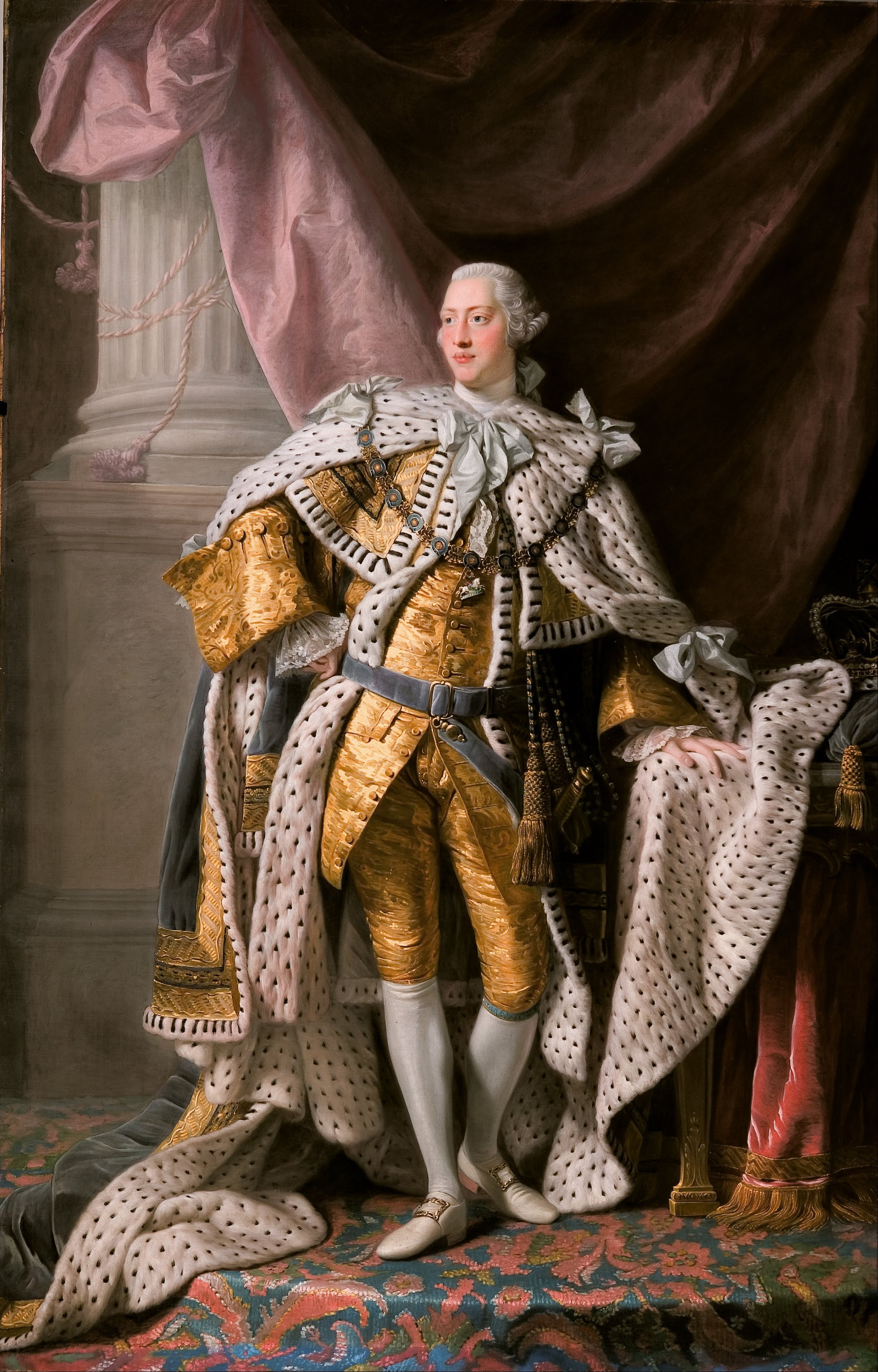
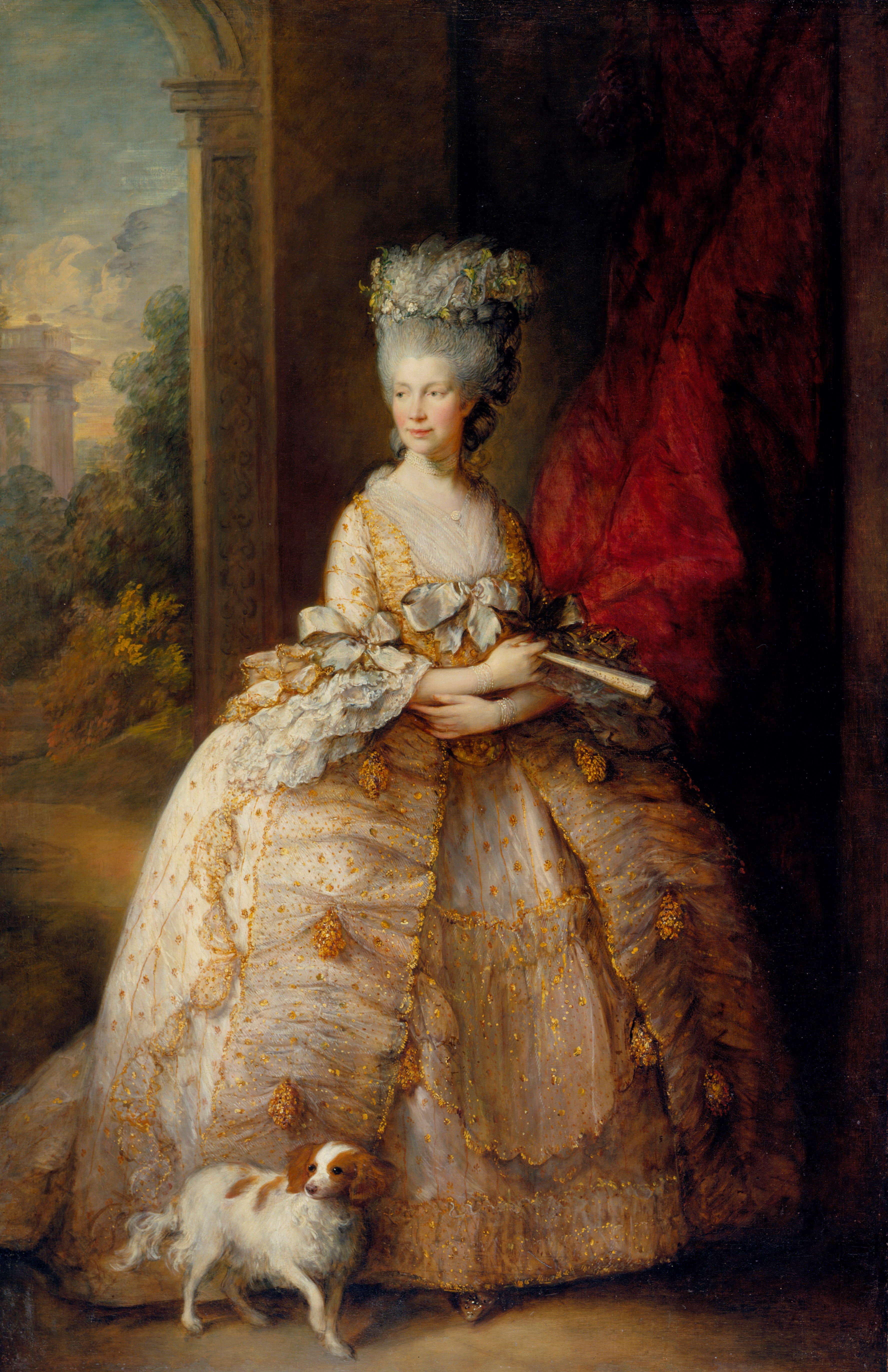
Although visitors came slowly to Cheltenham at first, the publication of Dr Short’s ‘History of Mineral Waters’3, which declared Cheltenham’s waters some of the best in the land, roused national interest. As a result, thousands of visitors began flocking to the town to ‘take the waters,’ including, in 1788, George III4 and Queen Charlotte. The town’s increasing popularity saw the development of entertainment and leisure activities which became central to the town’s identity, including horse racing which found fertile ground in this bustling destination.
Early beginnings, gambling, and protests
The festival’s earliest roots date back to 1815, when the first recorded flat racing meeting took place on Nottingham Hill5, just outside Cheltenham. However, the real turning point came on Tuesday 25th August 1818, when racing moved to nearby Cleeve Hill. This scenic setting, which now overlooks the Cheltenham racecourse6, witnessed five races and the first officially recorded race winner - a five-year-old horse named Miss. Tidmarsh, who was owned by a Mr E. Jones7.
By 1819, the event had expanded significantly and saw the construction of a grandstand on the side of Cleeve hill. A proper course was laid on the West Down of the hill and the meeting was increased to three days duration. The main attraction of the final afternoon was the first-ever Cheltenham Gold Cup8, a three-mile flat-race for three-year-olds, won by Spectre. A prize of 100 guineas was awarded to his owner.
The festival’s development was not without turbulence. By the 1820s, the Cheltenham races had become notorious for rowdy behaviour, heavy gambling, and clashes between locals, visitors, and religious groups, including the Anglican Rector of Cheltenham, Reverend Francis Close9, who preached about the evils of horse racing and gambling.
In 1829, rioting and protests, led by his congregation, saw the destruction of the grandstand on Cleeve Hill. The following year the grandstand caught fire the night before the annual meeting and was burned to the ground.
New locations and the Cheltenham Gold Cup
A new chapter began in 1831 when organisers sought a more controlled environment and relocated the races to Prestbury Park5, the modern home of the Cheltenham Festival. Racing at Prestbury Park initially waxed and waned, as the racing grounds were not as good as Cleeve Hill, but in 1881 its reputation was restored when it was bought by racing enthusiast, Mr W. A. Baring Bingham. The site underwent significant redevelopment and reopened for racing. By 1907 it hosted the first running of what would become the Cheltenham Gold Cup10.
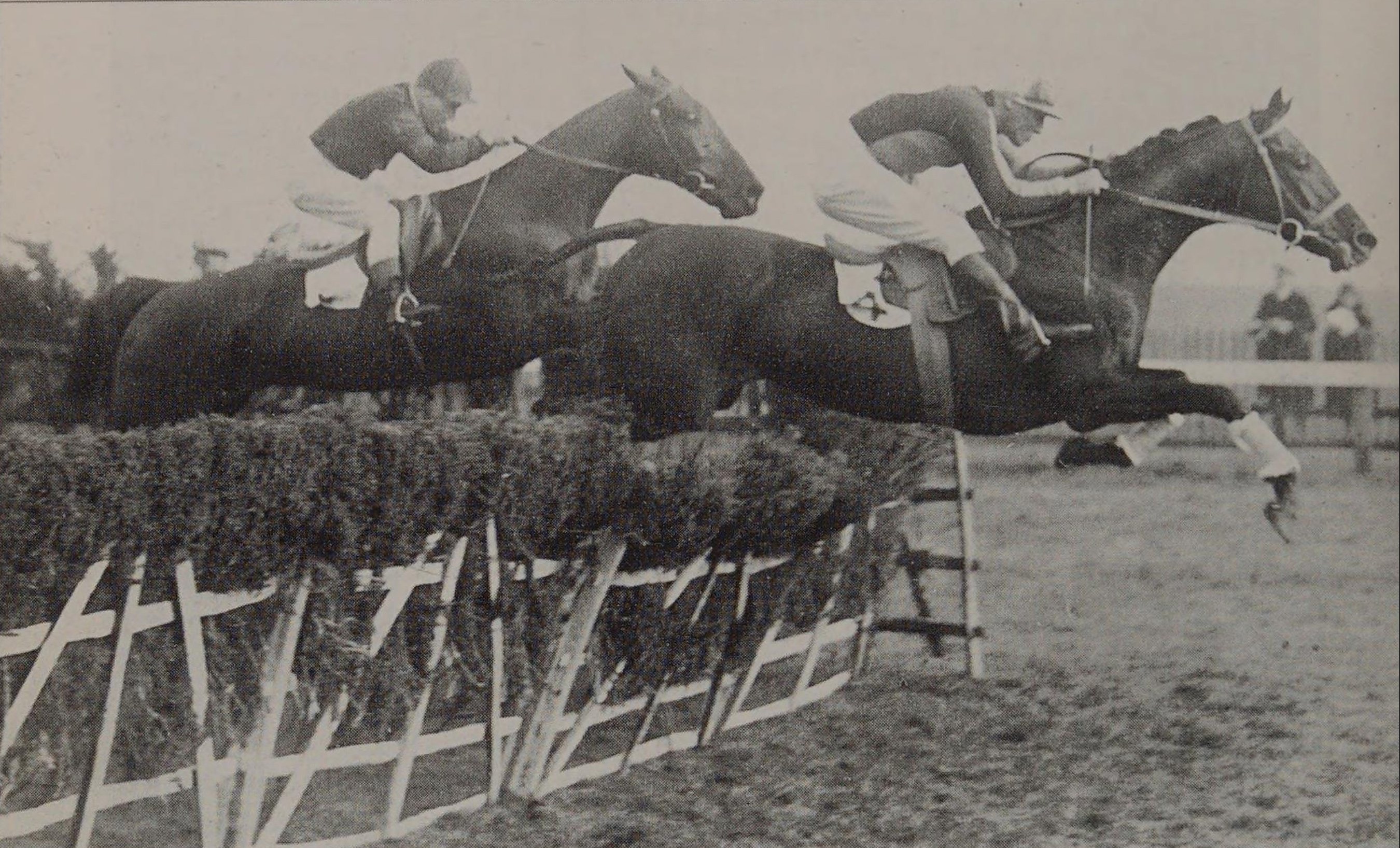
The site would eventually become inseparable from the identity of National Hunt racing. Through the mid-nineteenth century, steeplechasing11 grew in importance, and the groundwork was laid for a festival centring on jump racing rather than the flat races of earlier decades. The pivotal transformation occurred in 1924, when the Gold Cup evolved into the premier steeplechase of the year. Under the guidance of influential figures such as Frederick Cathcart12 of the Jockey Club and the racecourse chairman, the festival steadily expanded in prestige and popularity.
By the 1930s, Cheltenham had established itself as the centrepiece of the National Hunt season. Over the decades, the festival added marquee races such as the Champion Hurdle13 (1927), Queen Mother Champion Chase14 (1959), and Stayers’ Hurdle15, completing the lineup of championship contests that define it today. The event grew from a single-day meeting into the multi-day festival known today.
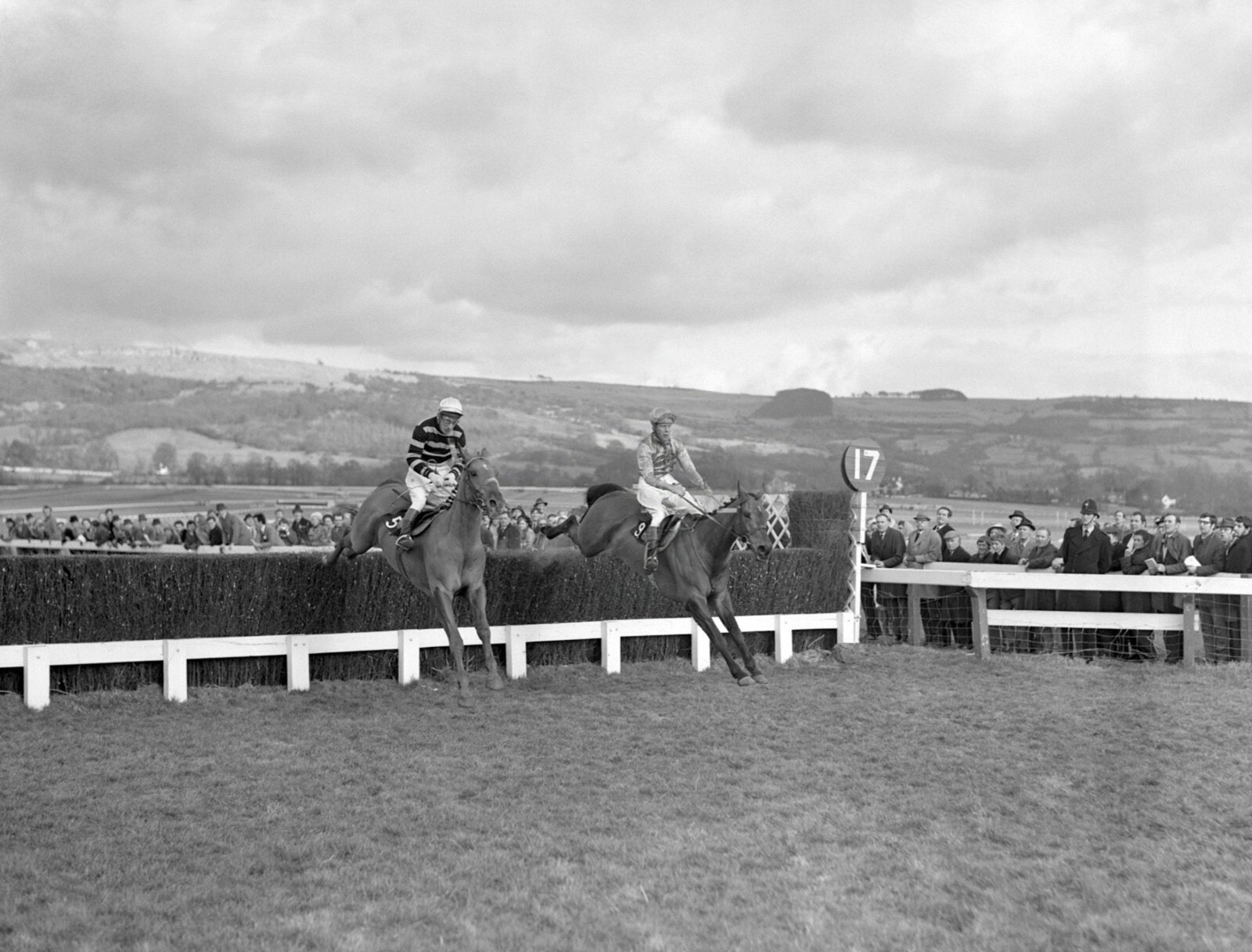
The modern-day Cheltenham Festival
The modern-day Cheltenham Festival is four-day annual celebration which takes place at Prestbury Park, Cheltenham, in the month of March. Not only does it host world-class jump racing (28 races in total), but it is also known for its unique blend of tradition, atmosphere, and cultural significance. The festival marks the pinnacle of the National Hunt season, drawing elite horses, top trainers, and enthusiastic racegoers from across Britain, Ireland, and beyond.
Today’s festival is structured around four themed days16—Champion Day, Style Wednesday (or Ladies Day), St Patrick’s Thursday, and Gold Cup Day—each offering its own distinct character and headline races.
Champion Day opens the week with the Champion Hurdle, a Grade 1 race over 2 miles, featuring the most skilled hurdlers in the world.
Style Wednesday (previously known as Ladies Day) combines top-tier racing, including the Queen Mother Champion Chase14 and the Glenfarclas Cross Country Chase17, with a celebration of fashion. Prizes for the best dressed are open to men and women who attend the races. In recent years, ‘slow fashion’18, rather than high-end designer ensembles, have become the norm, with a focus on sustainable clothing.
St Patrick’s Thursday has a strong Irish connection and is a lively celebration of the country’s sport, music, dance, and culture, with the Guinness Village attracting large crowds19. At the centre of it all is the Chase and the Stayers’ Hurdle, two of the festival’s most anticipated events.
Gold Cup Day is centred around the Cheltenham Gold Cup, widely regarded as the blue-riband event of the jump racing calendar20 and a career-defining target for jockeys, trainers, and owners. It is a course run over three miles and two furlongs. Other races include the Triumph Hurdle and the Albert Bartlett Novices’ Hurdle.
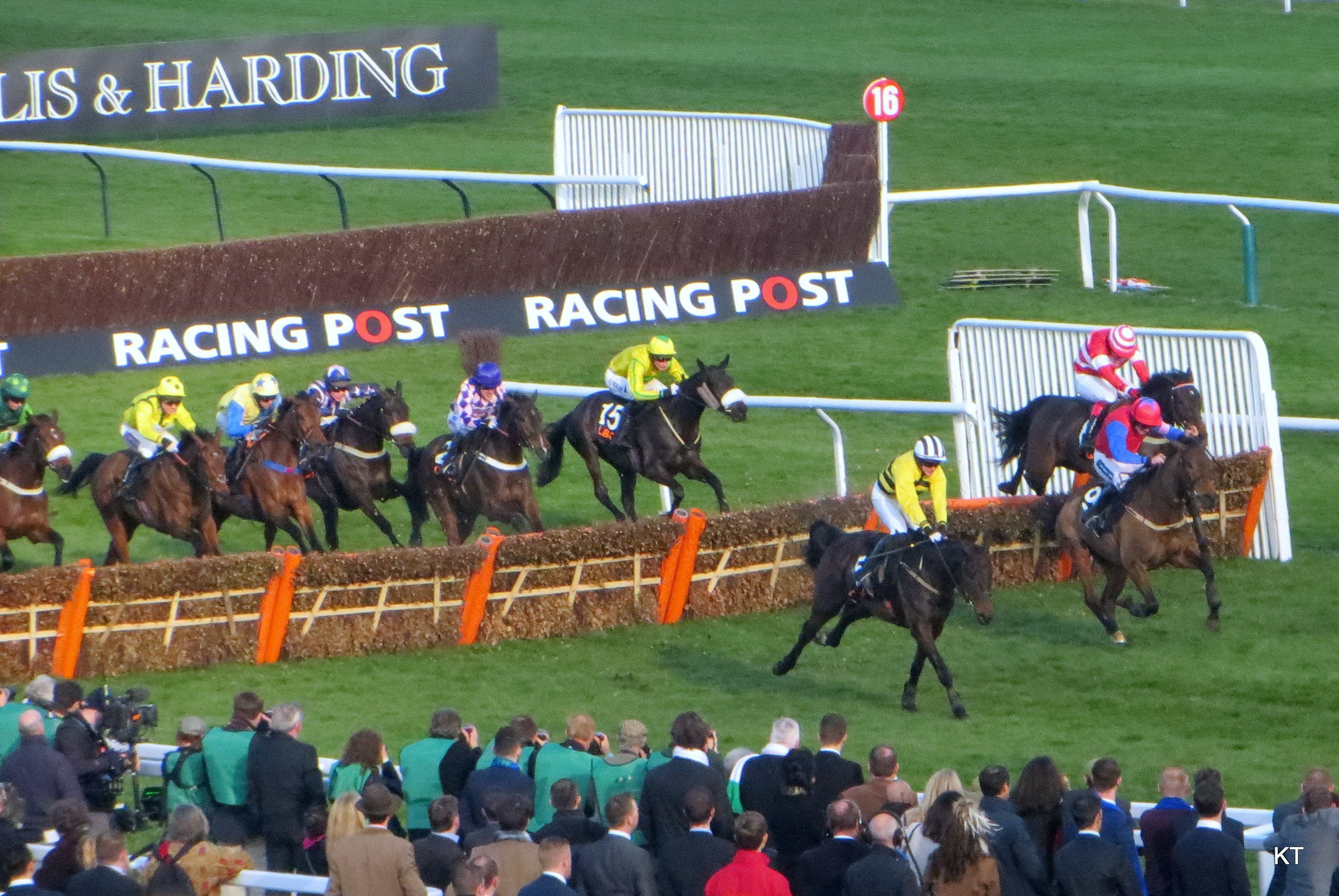
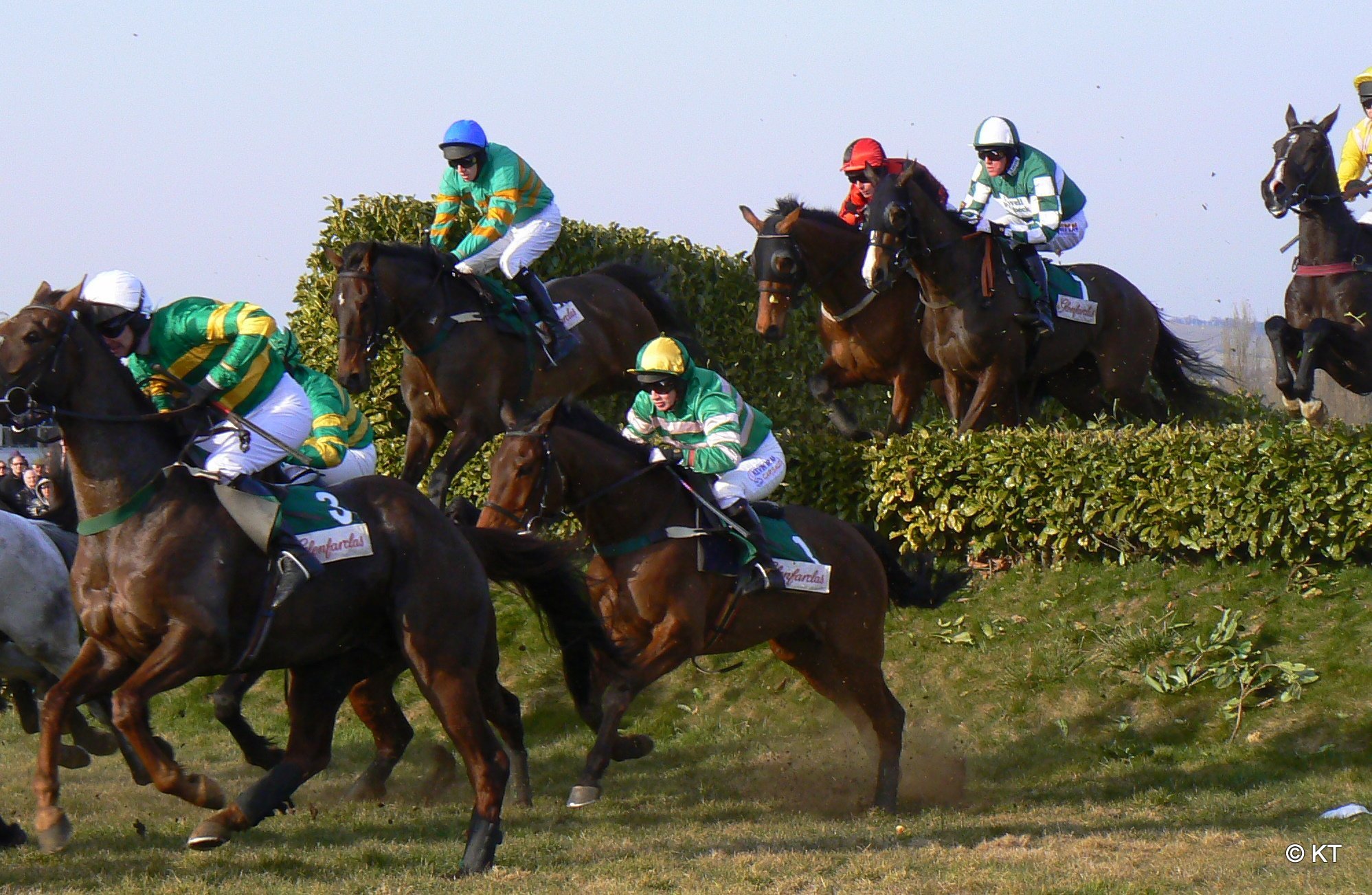
Where racing and contributors come together
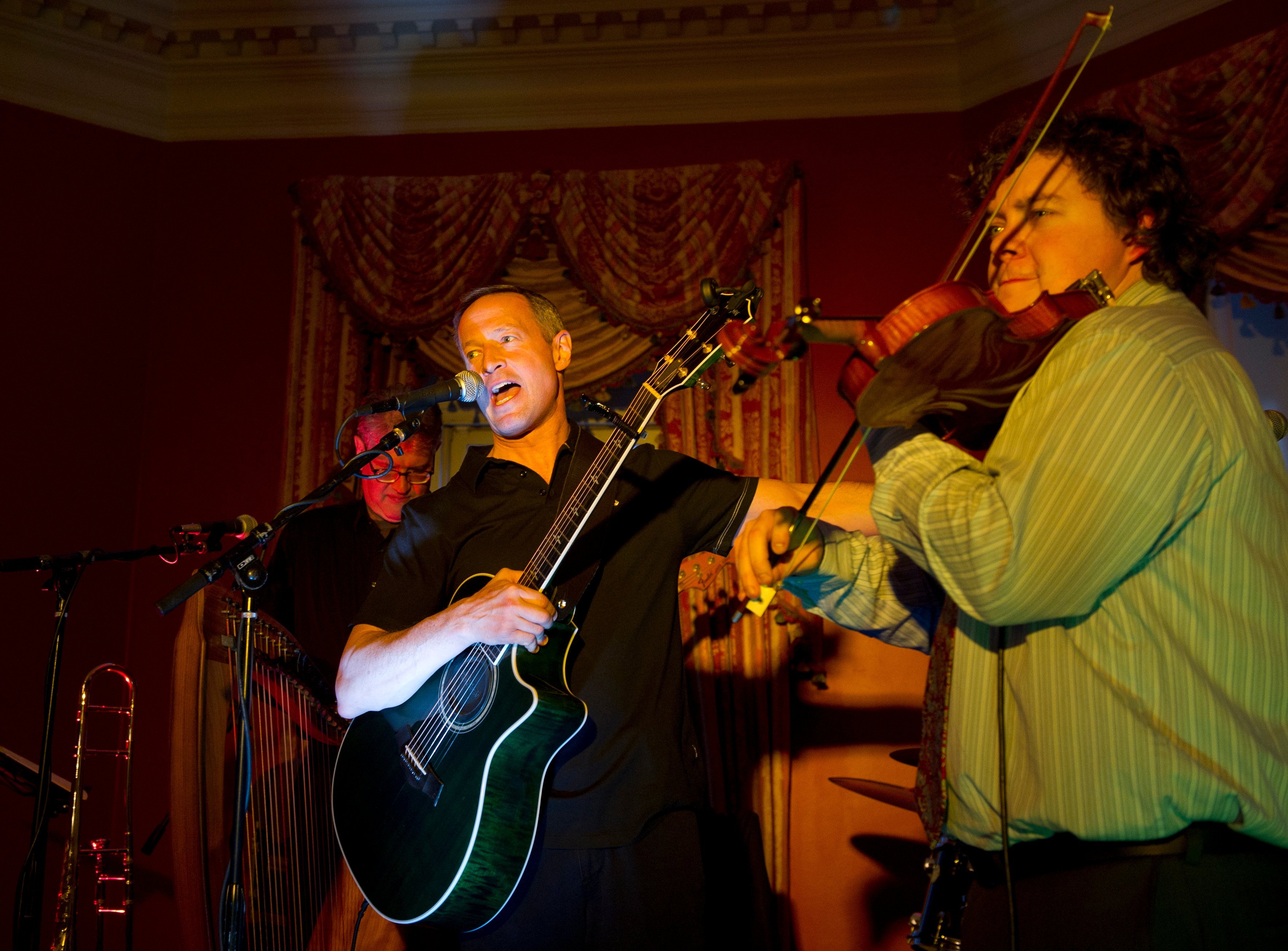
A defining feature of the modern festival is the extraordinary atmosphere. Crowds exceeding 250,000 across the four days generate an energy unmatched in British racing. The famous Cheltenham ‘roar21,’ heard as the starter releases the field for the festival’s first race, has become a symbol of the excitement and anticipation that surrounds the event. The influx of Irish fans—often travelling in large groups—creates a friendly rivalry and camaraderie that enriches the occasion.
Economically, the festival has grown into a major contributor to the region, supporting hotels, restaurants, pubs, and local businesses. Its impact extends internationally, as millions follow the races through extensive broadcast coverage and digital platforms. Betting forms another central aspect, with wagers22 placed around the world, reflecting the festival’s status as a global sporting spectacle.
In recent years, the festival has also embraced modern concerns such as equine welfare23, safety improvements, and racecourse innovation. Adjustments to rules, fences, and veterinary protocols demonstrate a commitment to maintaining the highest standards of care while preserving the competitive spirit that defines the meeting.
The modern Cheltenham Festival is thus a dynamic blend of heritage and contemporary sport: a four-day celebration where tradition meets spectacle, and where every race contributes to one of the richest narratives in jump racing.
References
Visit Cheltenham Official tourism website for Cheltenham, covering attractions, events and local history.
A history of Cheltenham spa Cheltenham’s development from spa town to modern resort.
Cheltenham as a Spa Town Cheltenham’s Georgian and Victorian growth.
Cheltenham Racecourse Print British Museum artwork depicting early racing at Cheltenham.
History of Cheltenham Racecourse Official history of the racecourse from The Jockey Club.
Cheltenham Racecourse The Jockey Club’s site for fixtures, tickets, and visitor information.
History of the Cheltenham Festival Racing Post guide to the festival’s origins and evolution.
Cheltenham Gold Cup Background on the festival’s most prestigious steeplechase.
Prestbury Parish and the Racecourse Local history of land use and racing at Prestbury.
Cheltenham in Horse Racing History Horse Racing History covering key races, trainers and moments.
What is a Steeplechase?. Explanation of jump racing and steeplechase rules.
Frederick Cathcart Biography of the influential Cheltenham racecourse chairman.
Champion Hurdle History of the festival’s leading hurdling race.
Queen Mother Champion Chase Overview of the championship two-mile chase.
Stayers’ Hurdle Guide to the festival’s long-distance hurdling contest.
About the Cheltenham Festival An introduction to the four-day racing festival.
Cross Country Chase Explanation of the unique cross-country race format.
Style Wednesday Article on the renaming of Ladies Day.
Guinness Village Information on one of the festival’s social hubs.
Racing Festivals in Britain Overview of other major British horse-racing festivals.
The Cheltenham Roar About the famous opening-race crowd reaction.
Betting at Cheltenham Festival Guide to betting traditions and terminology.
Horse Welfare at Cheltenham The Jockey Club’s approach to equine welfare and safety.